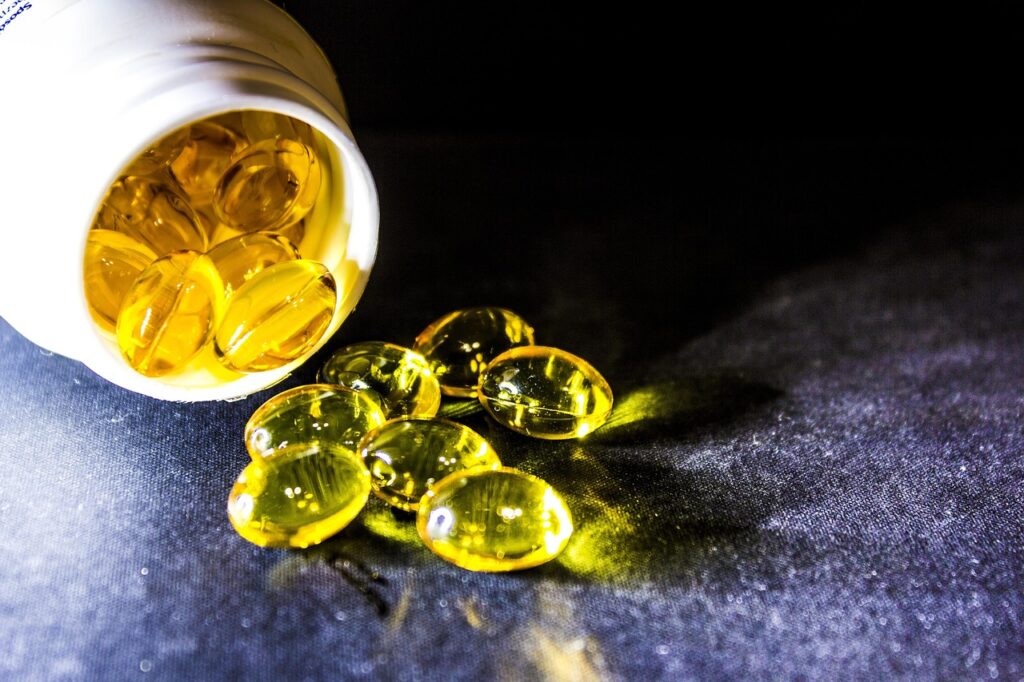
Supplements are heavily marketed as essential tools for building muscle, promising rapid gains, increased strength, and improved recovery. Amid all the bold claims, one important question stands: Are supplements truly necessary to build muscle?
The Foundations of Muscle Growth
Before examining the role of supplements, it’s crucial to understand what genuinely drives muscle growth:
- Progressive Overload: Consistently challenging your muscles with heavier weights, increased repetitions, or improved exercise performance is fundamental to muscle adaptation and growth.
- Adequate Nutrition: Consuming sufficient calories, protein, carbohydrates, and fats fuels workouts and supports recovery. Protein, particularly, is essential as it provides amino acids necessary for muscle repair and growth.
- Rest and Recovery: Adequate sleep and recovery time allow muscles to repair and grow stronger.
- Genetic Potential: Individual genetics significantly influence muscle-building capabilities, affecting muscle fiber distribution, hormonal levels, and overall body composition.
What Role Do Supplements Play?
Supplements should be viewed primarily as optional aids rather than essential tools. While most supplements offer convenience or minor benefits, creatine is a standout exception due to its broad range of proven benefits, affordability, and practicality. Supplements generally enhance performance, recovery, or dietary adherence but cannot replace effective training, proper nutrition, and sufficient rest.
Review of Common Supplements
Creatine – Recommended for Everyone
Creatine monohydrate is among the most thoroughly researched supplements, consistently demonstrating improvements in strength, power, and muscle growth by enhancing phosphocreatine stores and energy production during high-intensity exercise. Beyond muscle growth, creatine also benefits cognitive functions such as improved memory, focus, and overall brain health. Given its extensive benefits, affordability, and minimal side effects, creatine is highly recommended for nearly everyone engaged in physical training or looking to optimize overall health. The recommended dosage is typically 3-5 grams daily (Kreider et al., 2017).
Protein Powder
Protein supplements offer convenience, particularly for individuals struggling to meet daily protein needs through whole foods. Research indicates protein supplementation can slightly enhance muscle protein synthesis when dietary protein is insufficient or inconvenient (Morton et al., 2018).
BCAAs/EAAs
While branched-chain amino acids (BCAAs) are heavily marketed, evidence suggests essential amino acids (EAAs), including all nine amino acids necessary for muscle growth, are superior. If dietary protein intake is adequate, additional BCAAs or EAAs offer minimal extra benefits (Wolfe, 2017).
Beta-Alanine
Beta-alanine supplementation enhances performance by increasing muscle carnosine levels, reducing fatigue during high-intensity exercise. However, its direct impact on muscle growth is minor, primarily benefiting hypertrophy indirectly through improved training intensity (Saunders et al., 2017).
Pre-workouts
Pre-workout supplements typically contain caffeine, beta-alanine, and other stimulants to improve energy, focus, and training intensity. They may enhance performance temporarily, but their direct contribution to muscle growth is limited compared to foundational elements like consistent training and nutrition (Grgic et al., 2020).
Myths and Misconceptions
- “You can’t grow without supplements”: This claim is unequivocally false. Muscle growth primarily results from training, nutrition, recovery, and genetics—not supplements.
- “More supplements equal more gains”: Excessive supplement intake doesn’t translate to faster or greater muscle growth. Overuse can waste money and yield negligible returns.
Practical Recommendations
Creatine is recommended universally due to its extensive benefits for both muscle and cognitive functions, affordability, and convenience. Other supplements might benefit specific groups:
- Individuals struggling to consume enough protein through diet alone may find protein powders helpful.
- Athletes or advanced lifters aiming for peak performance might benefit from beta-alanine.
- Those needing an energy boost or improved focus for intense workouts could consider pre-workouts, but caution is advised due to potential side effects.
Prioritize foundational factors first: effective training, optimal nutrition, and adequate recovery. Use supplements wisely based on specific, evidence-based needs rather than marketing claims.
Conclusion
Ultimately, while most supplements are supplemental, creatine is a clear exception—its proven benefits, safety, and cost-effectiveness make it highly recommended. Real muscle-building progress, however, still primarily depends on dedicated training, balanced nutrition, and sufficient recovery.
References:
- Morton, R.W., Murphy, K.T., McKellar, S.R., et al. (2018). “A systematic review, meta-analysis and meta-regression of the effect of protein supplementation on resistance training-induced gains in muscle mass and strength in healthy adults.” British Journal of Sports Medicine.
- Kreider, R.B., Kalman, D.S., Antonio, J., et al. (2017). “International Society of Sports Nutrition position stand: safety and efficacy of creatine supplementation in exercise, sport, and medicine.” Journal of the International Society of Sports Nutrition, 14:18.
- Wolfe, R.R. (2017). “Branched-chain amino acids and muscle protein synthesis in humans: myth or reality?” Journal of the International Society of Sports Nutrition, 14:30.
- Saunders, B., Elliott-Sale, K., Artioli, G.G., et al. (2017). “β-alanine supplementation to improve exercise capacity and performance: a systematic review and meta-analysis.” British Journal of Sports Medicine, 51(8):658-669.
- Grgic, J., Mikulic, P., Schoenfeld, B.J., Bishop, D.J., & Pedisic, Z. (2020). “The influence of caffeine supplementation on resistance exercise: a review.” Sports Medicine, 49(1):17-30.